

vito@vemystone.com 
You know, in the past few years, the growing trade tensions between the U.S. and China have really added a layer of complexity to global supply chains, especially when we talk about raw materials and manufacturing. But here's the kicker: despite all this, the production of White Quartz in China has been thriving like crazy! It's pretty impressive how resilient and adaptable they've become. A report from Research and Markets suggests that the global quartz market could hit around $11.68 billion by 2026, and a big chunk of that is thanks to China's strong manufacturing scene. Companies like Aloha Stone and Hubei Minmetals Group have done a pretty amazing job navigating the tricky tariff landscape. They're making the most of local resources and keeping costs down to stay competitive. This growth really shows that Chinese manufacturers aren't just hanging in there – they're actually seizing new opportunities on the international stage. As we dig a bit deeper into this, we'll look at the strategies these companies are using and what it all means for international trade moving forward.
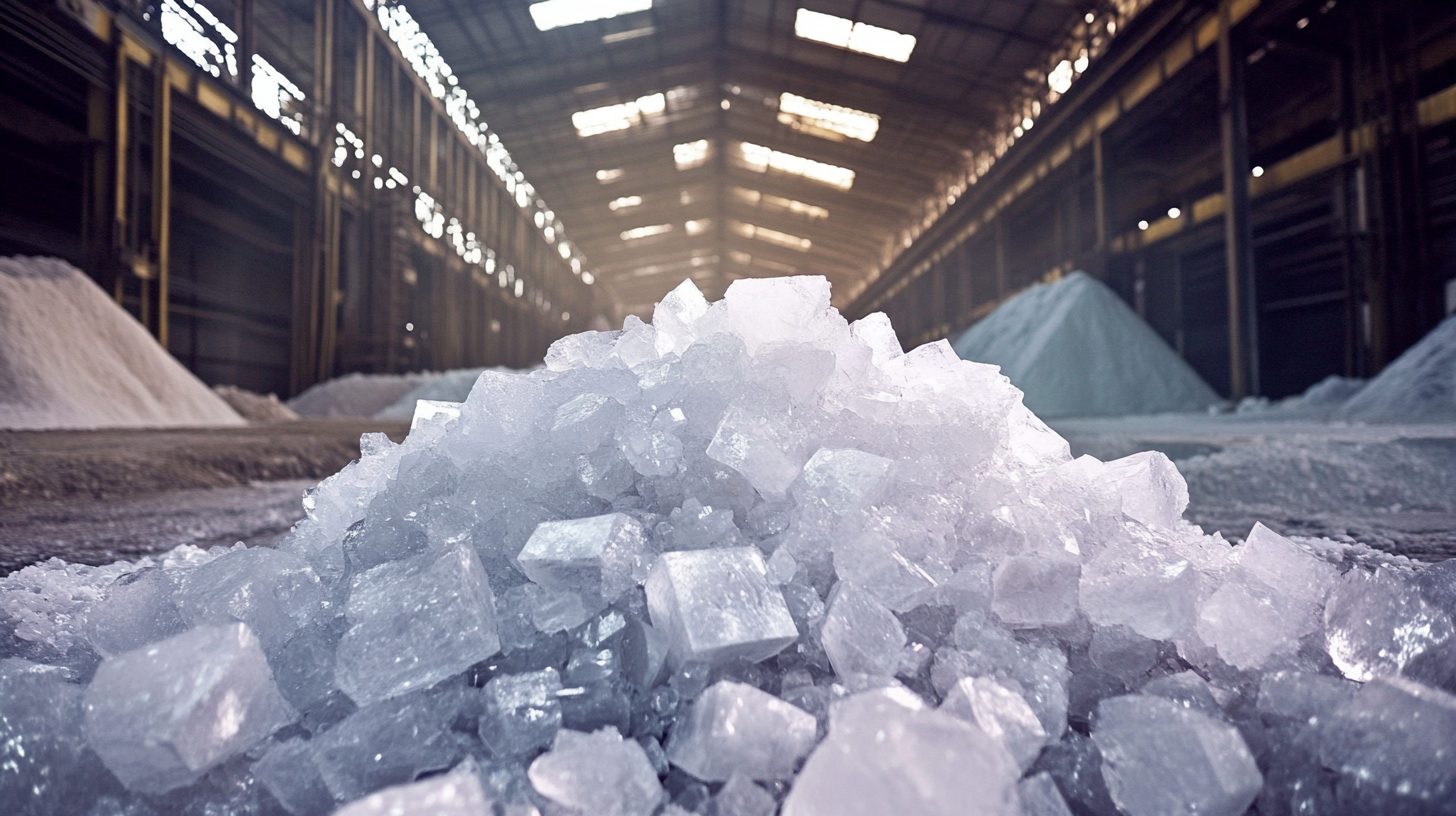
You know, with all the trade tensions heating up between the US and China, the quartz industry is really going through some interesting changes. It's kind of amazing how resilient these businesses can be! The trade tariffs that the US has imposed are pushing Chinese manufacturers to get creative and really step up their game when it comes to production. On the flip side, US companies are actively trying to diversify their supply chains and cut down on their dependence on Chinese goods. In response, Chinese quartz producers are finding clever ways to cater to both local and international markets. It's a bit of a win-win, really, as this shift is not only boosting domestic growth in China but also paving the way for more exports. They’re working hard to keep that competitive edge alive.
But it doesn't stop there! The ripple effects of these trade tensions go way beyond just quartz. We're talking about a pretty major shake-up in global trade patterns overall. The US and China are going through what folks are calling a “decoupling” when it comes to their tech ecosystems. This raises some big questions for industries that depend on complex supply chains, like semiconductors and rare earth materials. As China plays its cards with key raw materials in reaction to US policies, industries are finding themselves having to navigate this pretty rocky and uncertain landscape. Honestly, it really emphasizes how important it is for businesses to take a good hard look at where they stand in the global market and to be ready to adapt as international trade relations keep evolving.
| Year | China Quartz Production (Metric Tons) | US Tariff Rate (%) | US Imports from China (Million USD) | Market Growth Rate (%) |
|---|---|---|---|---|
| 2018 | 3,500,000 | 10 | 600 | 5 |
| 2019 | 3,800,000 | 15 | 550 | 3 |
| 2020 | 4,000,000 | 25 | 500 | 10 |
| 2021 | 4,200,000 | 25 | 450 | 2 |
| 2022 | 4,500,000 | 30 | 400 | 8 |
| 2023 | 4,700,000 | 35 | 350 | 6 |
You know, Chinese companies like Vemy Stone that make white quartz surfaces have really been navigating the tricky waters of US-China trade tensions quite well. It’s getting increasingly tough with the tariffs that the US government keeps piling on, so they've had to get pretty creative and adaptable. I've seen reports suggesting that the global market for engineered stone is set to skyrocket from around $40 billion in 2021 to nearly $90 billion by 2028. That really highlights just how essential it is for companies like VEMY to focus on innovation and expanding their markets.
To deal with the hit from US tariffs, these manufacturers have been trying out a bunch of different strategies. For instance, a lot of them are working on making their supply chains more efficient and even exploring new markets that go beyond just the US. Plus, they’re jumping on e-commerce to promote direct factory sales, which helps them dodge those pesky tariffs. Some companies have even started setting up warehouses right in the US to make deliveries quicker and cut down on costs. Reports show that this shift not only helps them avoid import duties but also beefs up their relationships with customers by speeding up service. VEMY Stone is a great example of how staying proactive and focusing on customizable products like countertops and flooring tiles can really help a business thrive, even when the political and economic climates are a bit rocky.
You know, with the ongoing trade tensions between the U.S. and China, innovation has really become the backbone of China's success in white quartz production. It’s like they’ve figured out how to use cutting-edge tech and eco-friendly methods to ramp up their productivity and efficiency. This whole approach helps them stay strong, even when there are outside pressures pushing in. By putting money into fancy manufacturing processes and R&D, Chinese producers are not just bumping up the quality of their quartz but are also appealing to a global market that’s really starting to care about innovation and ethical sourcing.
But the focus on innovation doesn’t stop at just the way they produce things. As the global supply chains get a second glance due to geopolitical issues, those white quartz manufacturers in China are making a real effort to prioritize green practices and fair labor standards. This change is super important if they want to keep a competitive edge and meet the growing demand for transparency from consumers. By leaning into innovation and responsible production, I’ve got a feeling that China’s white quartz sector is all set to thrive, even as they navigate the tricky waters of trade tariffs and international relations.
You know, with all the ongoing trade tensions between the US and China, it’s a bit surprising to see how well the global quartz market is holding up. Especially in China, where production seems to be going strong. Sure, the trade conflict is forcing everyone to rethink their supply chains, but companies like Vemy Quartz Surface Co., Ltd. are rolling with the punches pretty well. They’re based in Foshan, Guangdong, and thanks to a solid supply of natural quartz, they provide all sorts of customized solutions—from kitchen countertops to stylish flooring tiles.
And speaking of the bigger picture, while the global natural quartz crystal market has been a bit bumpy, with some reports showing a tiny dip in market value, it’s not all doom and gloom. Companies that are willing to innovate and mix things up are really the ones who’ll make it through these choppy waters. Focusing on quality and the personal touch with customization can really help businesses carve out their own niche, even when the overall economy feels a bit shaky. As long as the demand for quartz stays steady, adapting to these market shifts is super important for keeping things sustainable in the industry—even if those pesky geopolitical issues keep shaking up the usual trading ways.
You know, with all the drama going on between the US and China over trade, it’s pretty impressive how tough the quartz industry in China has been. Companies like Sibelco and Hunan Zixin have really stepped up their game, adjusting their strategies to handle those tricky new tariffs. They're making the most of local supply chains and putting money into better processing techniques. According to a recent report from Research and Markets, the global quartz market is expected to hit around $14.3 billion by 2027, mainly because there’s so much demand in construction and electronics. This growth really highlights how crucial it is for Chinese quartz producers to stay innovative and flexible to tackle those external challenges.
If we take a closer look at Gohua Quartz, for example, they’ve nailed a solid digital marketing strategy to attract customers worldwide. By branching out with different products and exploring fresh markets, they’ve managed to keep their export levels steady, even with those pesky higher tariffs on some items. Plus, their eco-friendly production methods are a hit with consumers, which is right on track with what everyone’s looking for in sustainability these days. Then there’s Dongguan Taiming, who has been all about fine-tuning their supply chain logistics. They’ve actually cut their operational costs by about 15% while speeding up delivery times. These stories really show that Chinese quartz companies aren’t just hanging in there; they’re thriving, even when the trade landscape is tough.
You know, the white quartz production scene in China is really shifting these days, especially with all this drama in US-China trade relations. With new tariffs potentially on the horizon, it's impressive to see how resilient China's quartz industry is. They’re really stepping up, focusing on innovation and mixing things up in their supply chains. It’s not just about keeping up the quality anymore; they're also checking out new markets so they aren’t just banking on exports to the US. This kind of forward-thinking strategy helps them dodge some of the hits from potential tariffs, and it really helps to solidify their standing in the market.
On top of that, the recent buzz from the US about possibly slapping new tariffs on pharmaceuticals and other sectors just adds to the uncertainty. It's wild how quickly things can change in global trade, right? Industries have to be super flexible these days, always on the lookout for what’s next and ready to tweak their business plans. For the white quartz folks, this means putting money into tech, smoothing out production, and building solid relationships with partners internationally. Honestly, how well they manage these twists and turns will really determine where they head next in this constantly shifting global market.
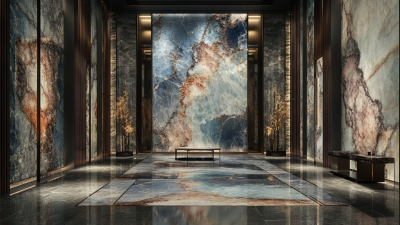
Diving into the world of contemporary design, the Ocean White-VM-20211222 stands out as a stunning embodiment of elegance and modern artistry. This unique design piece captures the essence of tranquility akin to the ocean waves, making it a perfect addition to any sophisticated interior. Its clean lines and minimalist approach are complemented by a calming color palette that evokes a sense of serenity, ideal for creating a peaceful living space.
What makes the Ocean White-VM-20211222 particularly appealing is its versatility. Whether it graces a chic urban apartment or a serene coastal cottage, its contemporary aesthetic harmonizes beautifully with various decor styles. The materials used in its construction not only enhance its visual appeal but also provide durability, ensuring that this piece remains a focal point for years to come. The understated elegance of the design encourages reflection and conversation, inviting guests to engage with the space in a meaningful way.
As we embrace modern design trends, the Ocean White-VM-20211222 serves as a reminder of the beauty found in simplicity. It encourages us to reimagine our environments, drawing inspiration from nature while infusing our spaces with contemporary flair. With this piece, any room can transform into an oasis of style and tranquility, making it an essential addition for those looking to elevate their home decor to a new level of sophistication.
: Chinese manufacturers have enhanced their supply chain efficiency, explored new markets outside the US, and established warehouses in the US to streamline delivery and reduce overhead costs, all aimed at mitigating the impact of US tariffs.
Innovation is crucial as it helps improve productivity and efficiency through advanced manufacturing processes and research and development, allowing producers to offer high-quality products while adapting to international market demands.
They are prioritizing environmentally friendly practices, ethical labor standards, and customized production solutions, which are essential to meet consumer demands for transparency and sustainability.
The global quartz market has shown resilience, particularly in China, where production remains strong, although there have been fluctuations in market value due to ongoing trade conflicts.
E-commerce platforms facilitate direct factory purchases, enabling manufacturers to bypass tariffs and enhance customer relationships by providing quicker service and reducing costs.
Geopolitical challenges lead manufacturers to reassess supply chains, prompting them to innovate and diversify production methods to remain competitive in the international market.
Customization is important as it allows companies to cater to niche markets and meet specific customer needs, which can be especially valuable during uncertain economic times.
The global engineered stone market is expected to grow from $40 billion in 2021 to nearly $90 billion by 2028.
Emphasizing innovation, responsible production, and adaptability to changing market dynamics are essential for the sustainability and success of China's white quartz sector.
Establishing US warehouses helps streamline delivery and reduce overhead costs, minimizing duties and ensuring faster service to customers.

Contact