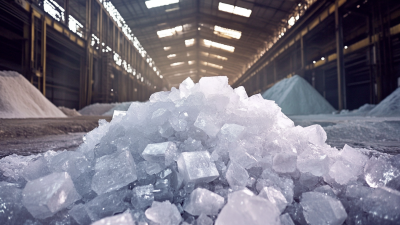
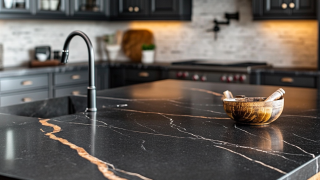
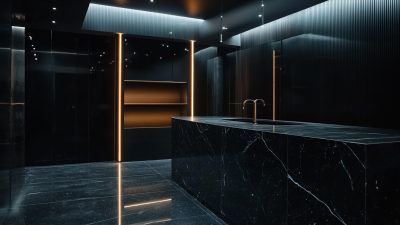
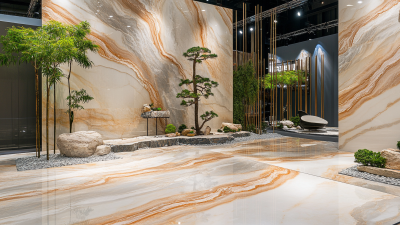
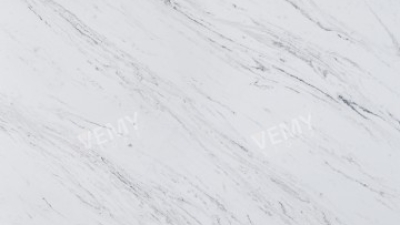
You know, as more and more folks are really into sustainable materials these days, industries are turning to cool, innovative options like White Quartz for all kinds of things—think kitchen and bathroom countertops, or even flooring tiles. I read somewhere that, according to a recent report by Grand View Research, the global quartz Surface Market could hit aroundUSD 19.41 billion by 2028. And what's interesting is, eco-friendly choices like this are actually gaining a lot of momentum. Take Vemy Quartz Surface Co., Ltd. — they've been around since 2007, based in Foshan, Guangdong, China, and they're really leading the way in offering sustainable White Quartz solutions. They’ve got one factory making samples and another that handles custom cut-to-size pieces, so they’re really serious about quality and environment-friendly options that keep up with what people want these days. Looking ahead, as we explore sustainable White Quartz, it’s worth understanding the tech behind it, how versatile it is in design, and the environmental perks that make this material such a popular pick for modern interiors.
The Importance of Sustainable Materials in Interior Design
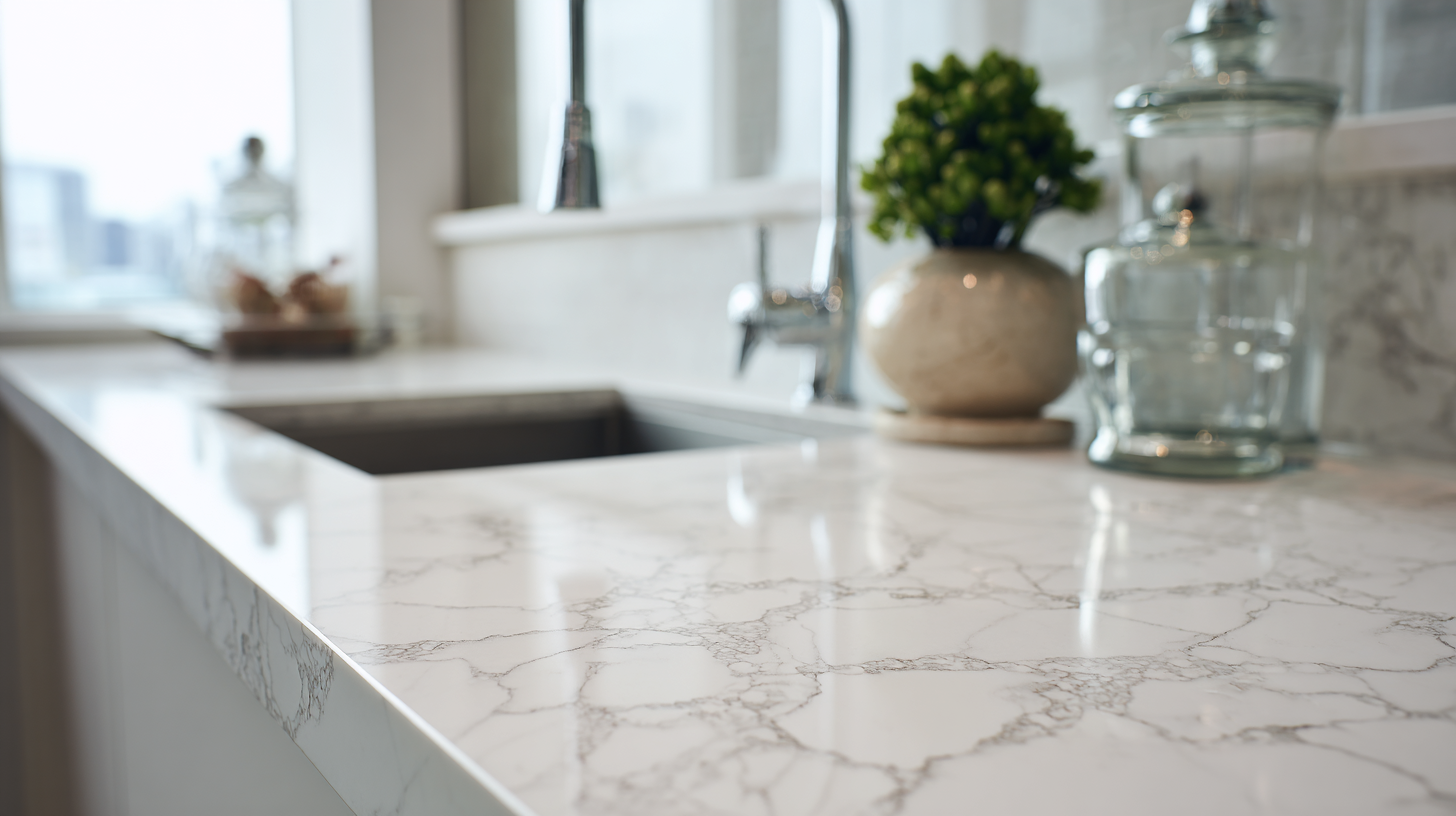
These days, when we talk about design, it’s impossible not to get caught up in the whole sustainability thing. With climate change and dwindling resources being such hot topics, interior design is definitely leaning more towards eco-friendly choices. One material that’s been gaining a lot of attention is white quartz. Not only does it look great, but it’s super durable and low-maintenance — making it a practical pick that doesn’t cut corners on style.
More and more, designers are hunting for materials that strike a nice balance between beauty and being kind to the planet. Using sustainable stuff like white quartz helps reduce environmental impact and also contributes to healthier homes. Since it’s non-porous and sturdy, it doesn’t require harsh chemical cleaners, which means less indoor pollution. Plus, its versatility is pretty impressive — it works for countertops, floors, and all kinds of surfaces, giving designers plenty of room to create gorgeous, eco-conscious spaces. As everyone’s shifting toward greener design choices, it’s clear that incorporating materials like white quartz is going to be a game changer for making spaces that are both beautiful and responsible.
Innovative Technologies Shaping White Quartz Production
You know, the way white quartz is produced is really changing these days, mostly because of some pretty innovative tech that’s pushing sustainability forward in the industry. As more folks start looking for eco-friendly materials, manufacturers are kind of shifting gears, trying out new methods that not only boost the quality but also cut down on environmental harm. For example, additive manufacturing — you've probably heard of 3D printing — is becoming a game-changer here. It helps make the process more efficient, wastes less material, and can even handle complex designs with multiple materials, which is pretty impressive.
And get this — recent breakthroughs in laser welding are opening up even more possibilities. They allow for the making of super-precise parts used in things like optical devices and lighting systems. It’s really exciting because it shows how blending old-school production with new tech can lead to better, more sustainable results. Thanks to these kinds of innovations, I honestly think the future of white quartz is looking brighter and greener. It’s like, the industry can now meet tough environmental standards while still satisfying what consumers want — pretty cool, right?
The Future of Sustainable White Quartz Solutions - Innovative Technologies Shaping White Quartz Production
| Technology | Description | Benefits | Current Implementation Status |
| Biodegradable Binders | Using natural materials as binders in quartz surfaces to reduce environmental impact. | Lower carbon footprint, reduced chemical exposure. | Pilot projects in progress. |
| Recycled Quartz Aggregates | Utilizing waste quartz materials in the production process. | Waste reduction, resource conservation, cost savings. | Widely adopted in manufacturing. |
| Advanced Water Filtration Systems | Innovative systems to ensure minimal water waste during production. | Increased sustainability, lower operational costs. | Implemented in several factories. |
| Energy-Efficient Manufacturing Processes | Techniques designed to reduce energy consumption during production. | Reduced energy costs, lower greenhouse gas emissions. | Adopted by leading manufacturers. |
| Circular Economy Practices | Integrating reuse and recycling into the quartz lifecycle. | Long-term sustainability, resource efficiency. | In early stages of institutional adoption. |
Environmental Benefits of Using Sustainable Quartz Solutions
As more folks become interested in sustainable materials, white quartz options are really starting to catch on for anyone who cares about the environment—whether you're a homeowner or a business owner. You know, traditional quartz production can be pretty energy-hungry and tends to create quite a bit of waste. But the good news is, thanks to new tech, we now have more eco-friendly ways to make quartz that actually cut down on carbon emissions and still look great. These newer methods often reuse by-products and cut back on nasty chemicals, making the whole process greener and cleaner.
One of the coolest things about these sustainable quartz options is how tough they are. Unlike some materials that might need replacing pretty often, quartz surfaces are super durable and last for ages. That means less resource use for manufacturing and shipping, and it also means less trash piling up in landfills over time. Plus, a lot of these eco-conscious options include recycled materials, which helps keep our resources in use longer and reduces the need to mine new stuff. When you go for sustainable quartz, you're not just getting a nice-looking surface—you’re actually helping out the planet and encouraging the building industry to get more responsible about their practices.
Transforming Spaces: Design Trends Featuring White Quartz
You know, as more folks get into sustainable materials, white quartz is really starting to shine as a go-to design element in modern architecture and interior decor. It’s got that gorgeous, clean look and is pretty tough, so it’s not just stylish—it's also an eco-friendly pick. I came across a report from MarketsandMarkets, and it says the global quartz market might hit around $9.6 billion by 2025. A big part of that growth is because more people are looking for sustainable options that don’t cost the earth.
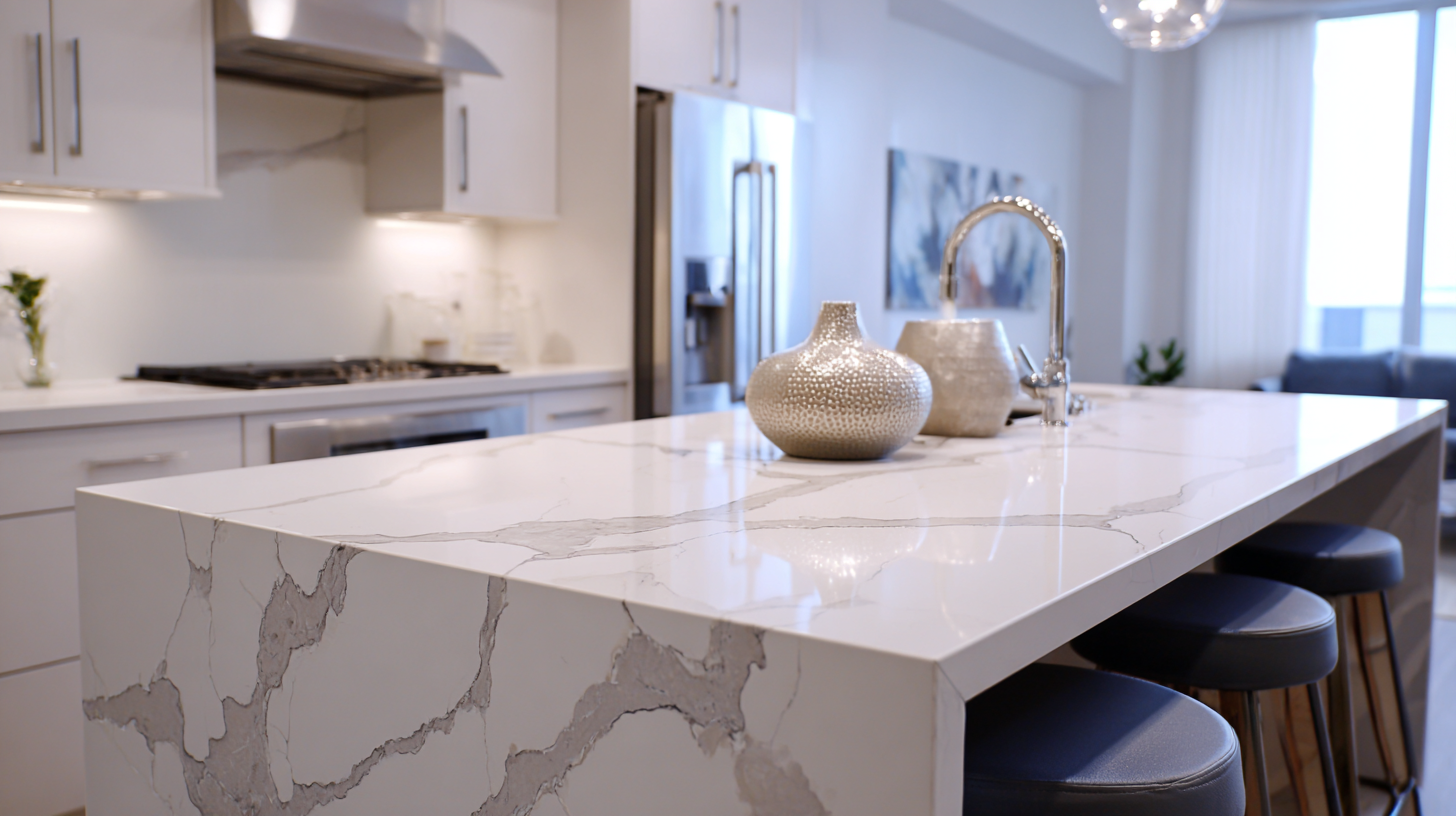
When it comes to design trends with white quartz, you'll notice how versatile it is—whether it’s in a cozy home or a fancy office. It works beautifully on countertops, accent walls, or just about anything really. The natural look of quartz pairs perfectly with other eco-friendly materials like reclaimed wood or eco paints, helping create those peaceful, sustainable spaces we all love. Plus, did you know that about 70% of homebuyers prefer quartz countertops because they’re low maintenance and non-porous? That just makes them ideal for eco-conscious designs.
And on the tech side, manufacturing methods are really evolving. Lots of companies are now using greener processes and recycled materials, which helps cut down waste and lower carbon emissions. So, as designers and homeowners start to prioritize sustainability, white quartz is definitely leading the way—offering a great blend of style and responsibility.
The Role of Consumer Demands in Quartz Sustainability
You know, as people become more aware of environmental issues nowadays, their preferences really start influencing how the quartz industry shapes up. I read in a report by Grand View Research that the global market for quartz is expected to hit around USD 12.65 billion by 2025 — and what’s interesting is that there's a growing focus on sustainable practices, too. This upward trend makes sense because folks are increasingly leaning toward eco-friendly materials that not only look great but also show they're environmentally responsible.
Lately, there was a survey by the Natural Stone Institute that found about 62% of consumers think about sustainability when they're shopping for home improvement stuff. That’s pretty telling, right? It really puts the pressure on manufacturers to step up their game and develop greener ways of making products. Things like closed-loop systems, where waste gets recycled back into production, can really cut down environmental impact—and they also appeal more to the eco-conscious crowd.
Because of all this, the quartz industry’s gotta stay flexible and keep up with what consumers are looking for, pushing towards better sustainable practices while still focusing on top-notch quality and design. It’s a bit of a balancing act, but it’s definitely the way to go.
Future Prospects: Advancements in Quartz Recycling Techniques
As more folks are after sustainable materials these days, advancements in recycling quartz are really becoming a game-changer for green solutions in the world of white quartz. New recycling techniques are literally taking old, discarded quartz products and turning them into top-notch materials that fit modern design and function needs — it’s pretty impressive. Not only does this help cut down on waste, but it also reduces the environmental toll of digging up and processing natural quartz, which is a big win for everyone.
Quick tip: When you're picking out recycled quartz, try to look for certifications that show the material was made with eco-friendly methods. It’s a good way to make sure you’re actually supporting sustainable practices and helping the environment.
On top of all that, some pretty exciting new tech—like smarter sorting and purification methods—is totally changing the game for recycling. These innovations make it easier and more cost-effective for companies to recover and reuse bigger amounts of quartz, paving the way for a sort of circular economy where quartz keeps getting recycled again and again. Pretty cool, right?
Another tip: Think about teaming up with suppliers who really care about sustainability. Working with brands that prioritize quartz recycling doesn’t just help push innovation forward — it’s also a solid way to champion a greener future in building and design activities. It’s all about making smarter, more eco-friendly choices, bit by bit.
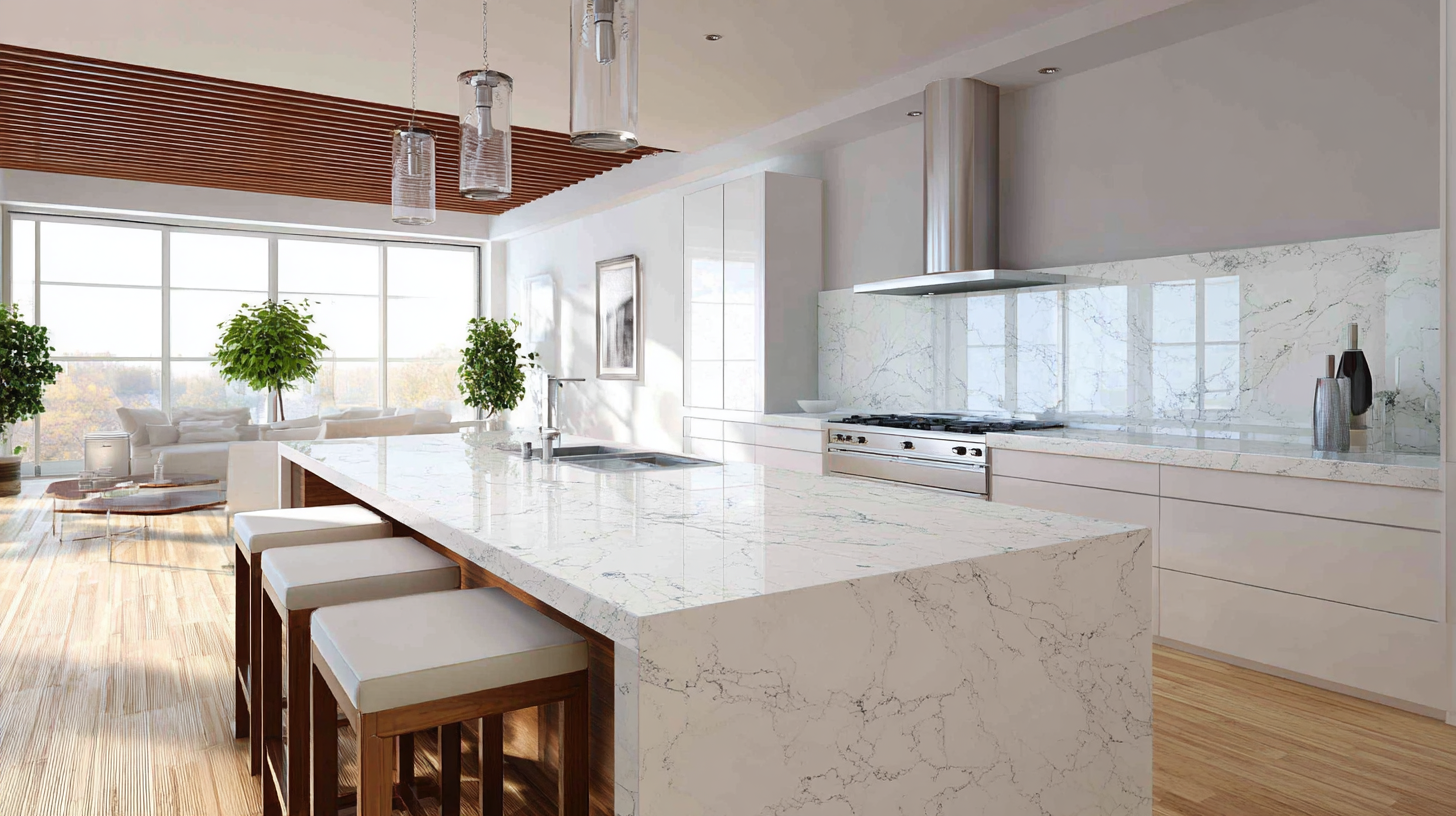
Harnessing the Power of Ocean White-VM-20211222: Transform Your Space with Innovative Design and Sustainability
In today’s world, the intersection of innovative design and sustainability has never been more critical. As industries move towards eco-conscious strategies, the power of materials like Ocean White-VM-20211222 offers a transformational approach for interior spaces. This unique product harnesses recycled ocean plastics, embodying a commitment to sustainability while delivering contemporary aesthetics that can redefine any environment. According to a recent industry report by the Global Sustainability Institute, the market for sustainable materials is projected to grow by over 20% annually, reflecting a shift in consumer preference towards environmentally-friendly products.
Implementing sustainable design not only benefits the planet but also enhances the functionality and aesthetic appeal of spaces. Studies indicate that workplaces designed with sustainable materials can improve employee productivity by up to 15%, and homes incorporating eco-friendly elements can boost property value by as much as 10%. Ocean White-VM-20211222 not only meets these design needs but also aligns with LEED certification standards, making it a smart choice for architects and designers who strive for excellence in their projects. The blending of sustainability with innovative design fosters an environment that promotes both well-being and ecological responsibility.
In the burgeoning field of sustainable architecture, the call for materials that are both visually appealing and environmentally safe is more pressing than ever. The application of Ocean White-VM-20211222 stands as a testament to the fact that sustainable choices can provide cutting-edge design solutions. By prioritizing products that utilize recycled materials, designers and consumers alike can play a pivotal role in cultivating a greener future, while simultaneously crafting spaces that inspire and captivate.
FAQS
: Innovative technologies such as additive manufacturing techniques and advancements in laser welding technology are significantly influencing white quartz production by enhancing quality, reducing environmental impact, and improving production efficiency.
Additive manufacturing allows for more efficient production processes that minimize waste while maintaining high resolution and multi-material capabilities, thereby driving sustainability in quartz production.
Laser welding technology improves the manufacturing of quartz glass for precision components, particularly in optical devices and lighting systems, emphasizing the integration of new methods with traditional production frameworks.
As consumers become more environmentally conscious, their demands are driving manufacturers to adopt sustainable practices, which is influencing the overall direction of quartz sustainability in the market.
The global quartz market is projected to reach USD 12.65 billion by 2025, highlighting a strong emphasis on sustainable practices driven by consumer preferences.
According to a survey by the Natural Stone Institute, 62% of consumers consider sustainability when making purchases related to home improvement.
Closed-loop systems are production methods where waste materials are recycled back into the production cycle, reducing environmental impact and appealing to sustainability-conscious consumers.
It is essential for manufacturers to innovate in quartz production to meet the evolving expectations of eco-aware consumers and to drive advancements in sustainable practices while maintaining high quality and design standards.
The rise in the quartz market valuation can be attributed to shifting consumer preferences toward eco-friendly materials that prioritize both aesthetic appeal and environmental responsibility.
Manufacturers can enhance product appeal by implementing greener production methods and closed-loop systems, which align with consumer demands for sustainable practices.
Conclusion
When it comes to interior design today, the future of sustainable white quartz solutions is becoming more and more important. As folks grow more conscious about the environment, we're seeing a big bump in demand for eco-friendly materials. In this blog, I want to talk about why sustainable materials matter so much and how new tech is really shaking up the way we make white quartz. From smarter recycling methods to green processes, manufacturers are totally changing the game when it comes to quartz surfaces.
White quartz has become super popular for things like kitchen and bathroom countertops, as well as for flooring tiles — it’s just such a sleek look. Vemy Quartz Surface Co., Ltd. is really leading the charge here, offering custom options that meet modern style needs while staying eco-friendly at the same time. Moving forward, it’s clear that what consumers want will be the biggest driver behind new innovations in quartz sustainability. And honestly, that’s great — because it means white quartz can keep looking beautiful while being kinder to our planet.


 Contact
 vito@vemystone.com